


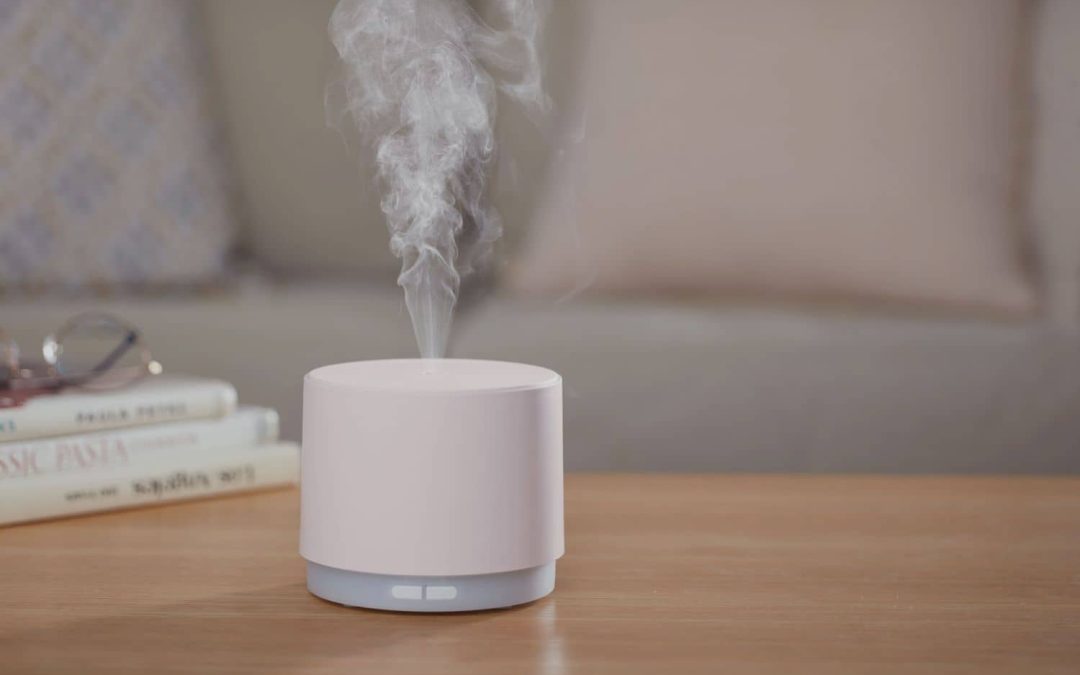
Yes, a humidifier can cause mold, but only when it is overused or poorly maintained. The device itself is not the problem; the extra moisture it puts into the air is. Run one too long, set it too high, or skip cleaning it, and you can push indoor humidity into the range where mold thrives. In a humid state like Florida, that risk climbs fast.
At Elite Mold Services, our certified inspectors trace plenty of mold problems back to indoor humidity. This guide covers how humidifiers lead to mold, the humidity level that invites it, the difference between a humidifier and a dehumidifier, and how to run one safely.
Can Humidifiers Cause Mold?
A humidifier will not grow mold on its own, but it can absolutely create the conditions mold needs. Mold needs moisture to grow, and a humidifier exists to add moisture to the air. Used correctly, it is helpful for dry sinuses or cracked skin. Used carelessly, it hands mold exactly what it wants.
There are two ways this happens: the humidifier raises the room humidity too high, or mold grows inside the machine itself and gets sprayed into the air. Both are preventable once you know what to watch for.
How a Humidifier Leads to Mold Growth
A humidifier leads to mold in one of two ways, and a poorly maintained unit can do both at once.
Too Much Moisture in the Room
When a humidifier runs too long or sits at too high a setting, indoor humidity creeps past the point where mold can take hold. The extra water vapor settles on cooler surfaces like windows, exterior walls, and the air around the unit.
Those damp spots become launch pads for mold, often out of sight behind furniture or inside the wall. If you start noticing a stale, earthy odor, our guide on what mold smells like can help you tell whether moisture has already turned into a problem.
Mold Growing Inside the Humidifier
The second path is the tank itself. Standing water, a damp wick, and a dirty filter make a humidifier a small reservoir for mold and bacteria. The EPA warns that humidifier filters can become moldy and spread spores through the room, and that furnace and stand-alone humidifiers must be cleaned regularly to prevent it. A moldy humidifier does not just sit there. It actively pushes spores into the air you breathe.
What Humidity Level Causes Mold?
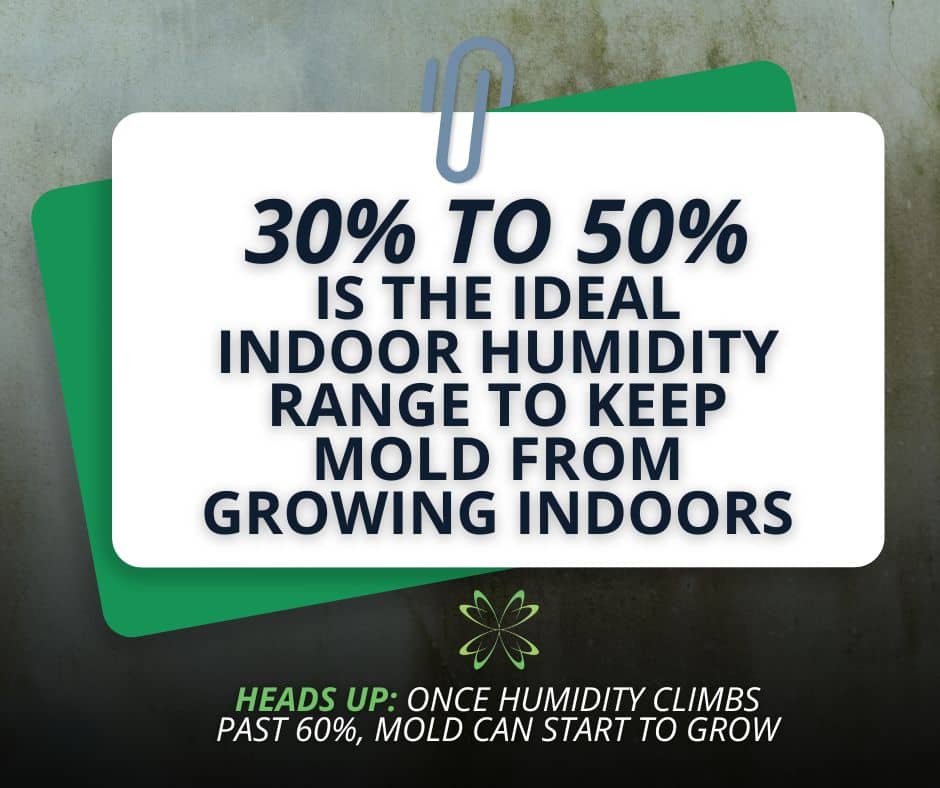
Mold growth becomes likely once indoor relative humidity climbs above 60 percent. The EPA recommends keeping indoor humidity between 30 and 50 percent, and below 60 percent at the most. Above that line, water vapor starts condensing on surfaces and feeding mold.
The simplest way to stay in range is to measure it. A hygrometer, a small humidity meter, tells you the room’s humidity at a glance.
If a humidifier pushes the reading past 50 percent, it is time to dial it back or turn it off. This matters even more in Central Florida, where outdoor humidity already averages around 75 percent, so indoor air rarely needs extra moisture to begin with.
Humidifier vs. Dehumidifier: Which One Do You Actually Need?
A humidifier adds moisture to dry air, while a dehumidifier removes moisture from damp air. They do opposite jobs, and people fighting mold often reach for the wrong one. If your goal is to control mold, you almost always want a dehumidifier, not a humidifier.
This trips up homeowners constantly. Searches like “will a humidifier help with mold” are common, and the answer is no: adding moisture only feeds it. For homes in damp climates, our colleagues up north break down whether a dehumidifier helps with mold and when it makes sense to run one. In a humid Florida home, a dehumidifier and good air conditioning usually do far more good than a humidifier ever will.
How to Use a Humidifier Safely
If you do need a humidifier, you can use one without inviting mold by keeping the air and the machine under control. Stick to these habits:
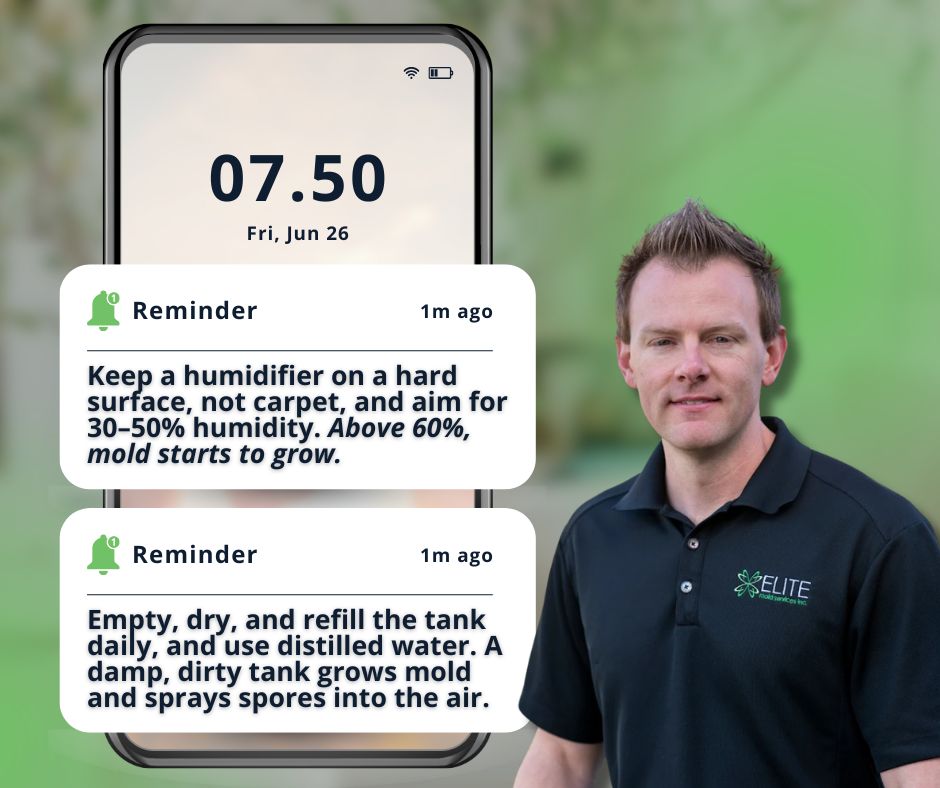
- Hold humidity between 30 and 50 percent. Use a hygrometer and adjust the unit so the room never reads above 50 percent.
- Clean it often. Empty, rinse, and dry the tank daily, and deep-clean it every few days following the manufacturer’s directions.
- Use distilled or demineralized water. It limits mineral buildup and the film that microbes feed on.
- Do not run it around the clock. Turn it off once the air feels comfortable, and empty the tank when it is not in use.
- Replace filters and wicks on schedule. A damp, dirty filter is where mold starts.
- Mind the surroundings. Keep the humidifier away from walls and furniture, and watch for condensation or damp carpet nearby.
Following these steps keeps the benefit of a humidifier without handing mold an opening. Pairing them with our broader mold prevention strategies gives your whole home a stronger defense.
Can a Moldy Humidifier Make You Sick?
A dirty humidifier can make you sick. When mold and bacteria grow in a neglected tank, the unit sprays them into the air with the mist. Repeated exposure can lead to “humidifier lung,” a form of hypersensitivity pneumonitis, on top of the allergy and asthma flare-ups that any indoor mold can trigger. The EPA notes that mold exposure can irritate the eyes, skin, nose, throat, and lungs in both allergic and non-allergic people.
Children are especially sensitive, and humidifiers often run in nurseries and kids’ rooms. If a little one has a lingering cough or congestion that eases when they leave the room, it is worth knowing the mold symptoms in kids to watch for. A musty smell near the unit is another red flag, the same kind of musty odor that points to a moisture problem elsewhere in a home.
Related Questions to Explore
Will a humidifier help with mold?
No. A humidifier adds moisture, and mold needs moisture to grow, so running one will not fight an existing mold problem and can make it worse. To control mold, you want a dehumidifier, which pulls moisture out of the air and keeps humidity in the safe range.
Do cool mist humidifiers cause mold?
Either type can, if it is misused, but cool mist models can harbor more mold and bacteria in the tank because there is no heat to slow growth. Warm mist units boil the water first, which limits microbes, but they still raise room humidity. Whichever you use, frequent cleaning matters more than the type.
Can a whole-house humidifier cause mold?
Yes. A whole-house or furnace humidifier tied to your HVAC system can push humidity too high throughout the home, and the unit and nearby ductwork can stay damp. The EPA specifically advises that furnace humidifiers be cleaned regularly, because a neglected one can spread mold through the entire duct system.
Can a humidifier cause mold in one room or in the walls?
Yes. The room where the humidifier runs usually sees the highest humidity, so mold tends to show up there first, including inside walls where moisture condenses on cooler surfaces. The musty smell and any staining will typically be strongest in that room.
How do I keep my humidifier from causing mold?
Keep room humidity at 30 to 50 percent, measured with a hygrometer, and clean the unit often using distilled water. Empty and dry the tank when it is not running, replace filters on schedule, and turn the humidifier off once the air feels comfortable rather than leaving it on all day.
When to Call a Professional
Call a professional when you suspect a humidifier has already led to mold, when a musty smell lingers, or when someone in the home has unexplained allergy or breathing symptoms. A humidity reading tells you the risk, but only testing confirms whether mold is actually growing and how far it has spread.
Elite Mold Services has served Central Florida from our Orlando and Winter Garden offices since 2006, with more than 60 years of combined experience and ACAC, NORMI, and IAC2 certifications. We can pinpoint moisture issues with indoor air quality testing and a thorough mold inspection, then recommend lab-backed mold testing when the findings call for it.
As a licensed assessment company, our job is to find and confirm the problem, not sell you a cleanup, so the recommendations stay independent.
Worried About Humidity & Mold?
Get a Complete Picture With the Healthy Home Package
If a humidifier has you wondering what’s really in your air, our Healthy Home Package combines mold, allergen, and indoor air quality testing into one clear, lab-backed assessment of your Central Florida home.
Explore the Healthy Home PackageOr call us at (407) 753-6341.
Conclusion
A humidifier is a useful tool, but it asks for respect. Keep these points in mind:
- Humidifiers cause mold when they over-humidify a room or when the tank itself goes uncleaned.
- Keep indoor humidity between 30 and 50 percent, and clean the unit often.
- In humid Florida, a dehumidifier is usually the better choice for controlling mold.
If you think a humidifier has already caused a mold problem, schedule an inspection with Elite Mold Services or contact our team. We will help you find the source and breathe easier.