


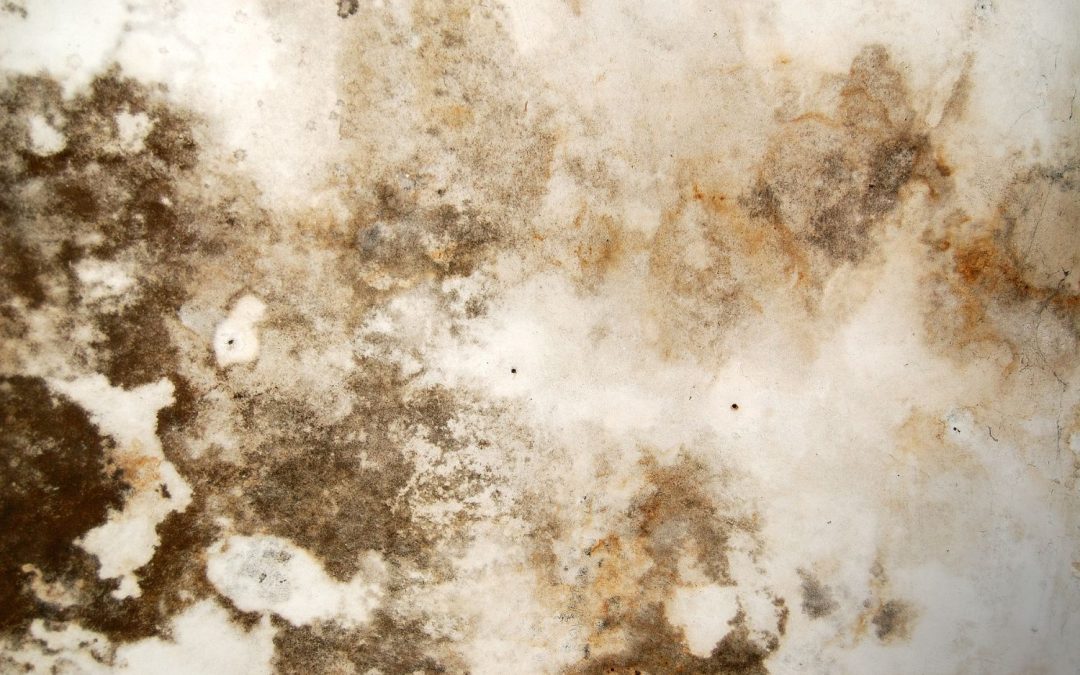
Brown mold is a common type of mold found in Florida homes. It often shows up as brown or tan patches on walls, ceilings, caBrown mold is not one type of mold.
It is a color description for any mold that looks tan, brown, or dark chestnut on walls, ceilings, wood, or vents. In Central Florida, it shows up fast because warm air, heavy rain, and A/C condensation keep moisture around.
Your first move is to find the water, not to scrub the stain. This guide from Elite Mold Services in Orlando explains what brown mold looks like, why it grows here, whether it is dangerous, how to remove it, and when to call a licensed pro.
What Is Brown Mold?
Brown mold is any mold growth that looks tan, brown, or dark brown. The color does not name a species. Many kinds of mold can look brown, including Cladosporium, Aspergillus, Alternaria, Aureobasidium, and Ulocladium.
Some Stachybotrys can look dark brown to black.
The color comes from the mold’s spores and from the surface it grows on. It can also change with light and humidity. A patch that looks tan in the morning may look darker by afternoon.
The EPA says in its guide to mold, moisture, and your home that molds come in many colors, and that moisture control is the key to mold control. That second point matters most. Mold needs water, so no cleaner will keep it away if the water source stays.
Brown mold often grows on:
- Cabinets and shelving
- Drywall and framing
- Ceiling tile and insulation
- Wood trim and baseboards
- Bathroom tile, grout, and caulk
- Carpet backing
- HVAC vents, ducts, and air handlers
What Does Brown Mold Look Like?
Brown mold usually looks like clusters of tan or dark brown spots, fuzzy patches, or streaks that spread out from a damp spot. Depending on the species and the surface, it can look dusty, soft, slimy, or leathery.
Here is what homeowners in Orlando often find:
On walls and ceilings
Look for brown fuzzy patches on drywall or tan streaks near a roof leak or an A/C line. Spots often grow in a ring around the wettest point.
In bathrooms
Brown or dark spots on caulk, grout, and the ceiling above the shower are common. Without a working exhaust fan, steam sits on the surface and mold follows.
On wood and baseboards
Soft, dark brown spots along baseboards often point to moisture in the wall behind them. Wicking from a slab or a past leak can cause this.
Around vents and HVAC
Brown dust or specks on vent covers and air handler parts can mean condensation is feeding growth. A musty smell when the A/C starts is another clue.
A musty odor with no visible growth can also mean mold is hiding behind a wall or under flooring.
Is It Brown Mold or Just a Water Stain?
Not every brown mark is mold. Water stains and tannin bleed from wood can look a lot like it. The table below shows common differences, but none of them is proof on its own.
| Clue | More likely mold | More likely a water stain |
|---|---|---|
| Texture | Fuzzy, powdery, or slimy | Flat, smooth |
| Edges | Spotty, spreading clusters | Clear ring or tide line |
| Smell | Musty or earthy | Little or no smell |
| Change over time | Grows or spreads | Stays the same size once dry |
| Wipe test | Smears or leaves residue | Does not smear |
A stain still means water got in. Even a “just a stain” ceiling spot should be checked for a leak. If you are unsure, an inspector can confirm what you have with a moisture meter and a visual inspection.
Why Brown Mold Is Common in Florida
Florida has the right mix of heat, humidity, and rain for mold almost all year. Here are the main reasons it takes hold in Central Florida homes.
Indoor humidity stays high
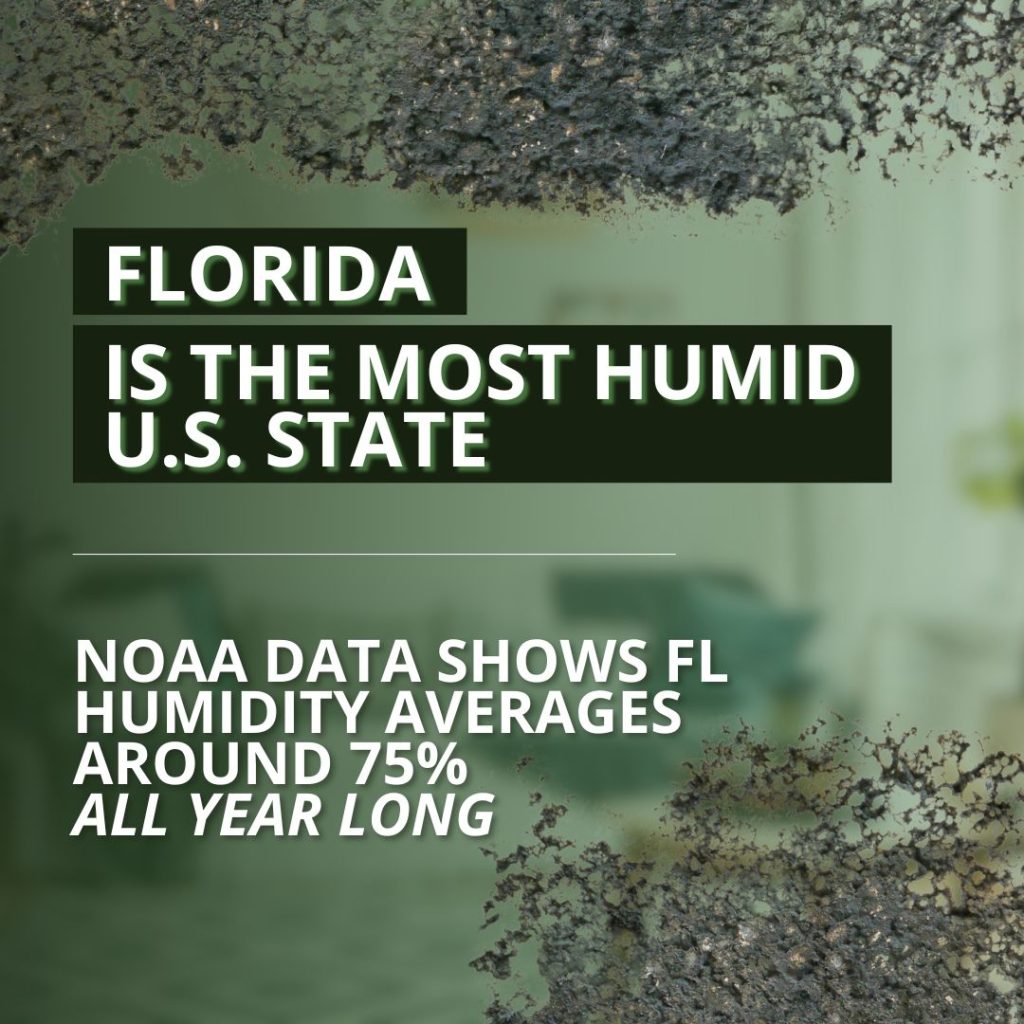
The EPA advises keeping indoor humidity below 60 percent, and ideally between 30 and 50 percent. In Florida, outdoor air is often far more humid than that, and showers, cooking, and dryers add more.
The good news is that you can bring indoor humidity down with a few simple changes, like running exhaust fans and fixing your A/C settings.
A/C systems create condensation
When warm indoor air touches cold ducts, vents, or air handler parts, water forms. Brown mold often starts right there, where moisture lingers long enough for spores to settle.
Rain and leaks are frequent
Summer storms can push water through roofs, windows, and walls. The EPA’s guidance is to dry water-damaged areas within 24 to 48 hours. Wet drywall or insulation that stays damp longer can grow mold, even after the storm is gone.
Bathrooms and kitchens hold moisture
Steam and cooking vapor settle on tile, cabinets, and ceilings. Brown mold often appears in these rooms first.
Closed-up homes get stale
Rentals, seasonal homes, and vacation properties can sit shut for weeks. With no airflow, humidity climbs, and mold gets a head start.
New homes are not exempt. Tight building envelopes can trap humidity if ventilation is not balanced, and older homes may hide past leaks.
Is Brown Mold Dangerous?
Brown mold can cause problems, especially for people with allergies, asthma, or other sensitivities. But color does not tell you how risky a mold is. A brown patch is not automatically harmless, and it is not automatically toxic either.
Possible symptoms include:
- Coughing or wheezing
- Sneezing
- Itchy or irritated eyes
- Headaches
- Worse asthma symptoms
Some species, including certain Stachybotrys strains, can produce mycotoxins. Reactions vary a lot from person to person, based on the species, how long someone is exposed, and how much mold is in the air.
Older adults and people with weak immune systems can be more sensitive, and so can children, who may show mold symptoms that are easy to miss. If someone in your home has ongoing symptoms, see a doctor.
How Does Brown Mold Spread?
Brown mold spreads when moisture stays, and spores have something to feed on. Drywall, wood, dust, and even fabric can serve as food.
It spreads faster when:
- Humidity stays high
- A leak keeps dripping
- Air is stuck in a dark, closed space
- HVAC systems move spores through the house
- Water is trapped behind walls or under floors
It slows down when surfaces dry quickly, air moves, and the moisture source gets fixed. Even a small patch can grow if the damp spot is still there.
How to Remove Brown Mold (and When Not to DIY)
You can often clean a small patch of brown mold on a hard surface yourself. The EPA says a homeowner can usually handle an area smaller than about 10 square feet. The steps matter, though.
- Fix the water first. Repair the leak, run the exhaust fan, or dry the area. If you skip this, the mold comes back.
- Protect yourself. Wear gloves, goggles, and an N95 respirator.
- Clean hard surfaces. Scrub with detergent and water, then dry the area fully.
- Toss soaked porous items. Ceiling tile, carpet, and insulation that stayed wet and grew mold are usually not salvageable.
- Watch the spot. If brown spots return, the moisture source is still there.
A few things make the problem worse:
- Painting over mold on drywall
- Scrubbing dry mold without containment, which sends spores into clean rooms
- Running a fan so it blows across the mold
- Relying on bleach. The EPA does not recommend bleach as a routine part of mold cleanup, and it does not soak into porous materials well.
Skip the DIY route when the area is bigger than about 10 square feet, when mold is in your HVAC system, when the water came from sewage, when you cannot find the source, or when someone in the home is sick.
How Professionals Find and Confirm Brown Mold
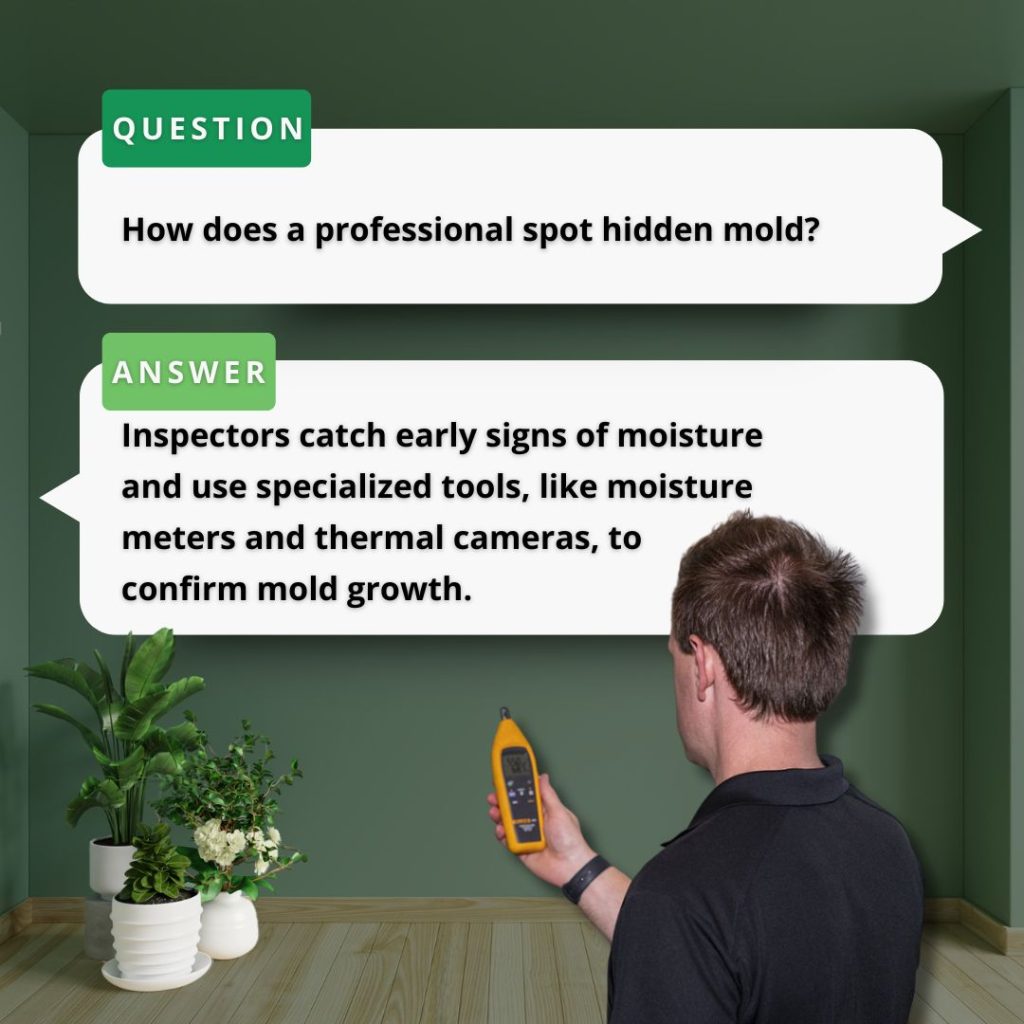
A good inspection looks at the whole picture, not just the stain. At Elite Mold Services, our licensed inspectors use these tools:
- Moisture mapping. Moisture meters find wet spots behind drywall, inside cabinets, and under flooring.
- Thermal imaging. Thermal cameras pick up temperature changes that can point to hidden leaks.
- HVAC review. We check air handlers, ducts, and condensation points.
- Source tracing. Mold cannot grow without moisture, so we find where the water comes from.
- Mold testing, when it helps. Air or surface samples go to an accredited lab.
Testing is a tool, not a must. The EPA notes that when mold is clearly visible, sampling is usually not needed.
Testing is most useful when mold is suspected but hidden, when a buyer or seller needs documentation, or when you want proof that a cleanup worked. If you’re weighing a test, it helps to know how the mold testing process works before you book anything.
How Professionals Handle Brown Mold
Florida licenses mold assessors and mold remediators separately, and the same company generally cannot do both on one job. Elite Mold Services handles the inspection, testing, and remediation supervision. A separate licensed remediation contractor does the cleanup.
A professional job usually includes:
- Containment: Plastic barriers keep spores in the work area.
- HEPA filtration: Air scrubbers capture spores released during work.
- Material removal: Drywall or insulation is removed if mold has grown through it.
- Cleaning: Non-porous surfaces are cleaned with the right tools.
- Moisture correction: The leak, humidity, or airflow issue is repaired.
- Post-remediation verification (PRV): Testing confirms mold levels are back to normal and the area is ready to use again.
PRV gives homeowners clear documentation that the work was done right.
Related Questions to Explore
Is brown mold dangerous?
It can be for people with allergies, asthma, or weak immune systems. Color alone does not tell you the risk, so treat any mold the same way: fix the moisture and remove the growth. Reactions range from mild irritation to more serious problems, and the symptoms linked to toxic black mold exposure are a good checklist for what to watch for.
Can mold be brown?
Yes. Many species can look tan, brown, or dark brown, and the shade can shift with humidity and light. Brown is only one of the colors you might find, and the types of mold common in Florida homes range from green and gray to black.
What does brown mold look like?
It often looks like fuzzy, dusty, or leathery brown patches or streaks that spread out from a damp spot. Check walls, ceilings, baseboards, bathroom caulk, and vents.
How do I get rid of brown mold?
For a small patch on a hard surface, fix the moisture source, wear protection, scrub with detergent and water, and dry it fully. Larger areas, HVAC mold, or hidden mold call for a licensed professional.
Is brown mold toxic?
Some species can produce mycotoxins, but you cannot tell by color. Brown mold is not always toxic, and it is not always harmless. A professional can help you decide if testing makes sense.
Is brown mold the same as black mold?
Not necessarily. “Black mold” usually refers to Stachybotrys, which can look dark brown or black, while brown mold is a catch-all for many species. Color does not separate them reliably.
How can I tell brown mold from a water stain?
Mold tends to look fuzzy, spotty, and musty, while a dry water stain is flat with a clear edge. Either one means water got in, so look for the leak.
When to Call a Professional
Call Elite Mold Services when:
- You see brown or tan growth and cannot find the water source
- You smell mustiness but see nothing
- Your home has had a leak, a storm, or flood damage
- Mold keeps coming back after cleaning
- You need documentation for a home sale, rental, or insurance claim
- Someone in your home has symptoms that may be linked to mold
Call a licensed remediation contractor when mold is confirmed, the area is large, drywall or insulation is damaged, or when mold is in your HVAC system.
Not sure which you need? Start with an inspection. It shows where the moisture is and how far the problem goes. Schedule a mold inspection with our team in Orlando or Winter Garden.
Conclusion
Brown mold grows easily in Central Florida because heat, humidity, and moisture are always close by.
A few points to remember:
- Brown is a color, not a species, so you cannot judge risk by how it looks.
- Fix the moisture first. Cleaning alone is only a temporary fix.
- Small, hard-surface patches can be cleaned safely. Large, hidden, or HVAC mold needs a pro.
If you are dealing with brown mold, a mold inspection from Elite Mold Services can show you where it started and what to do next.