


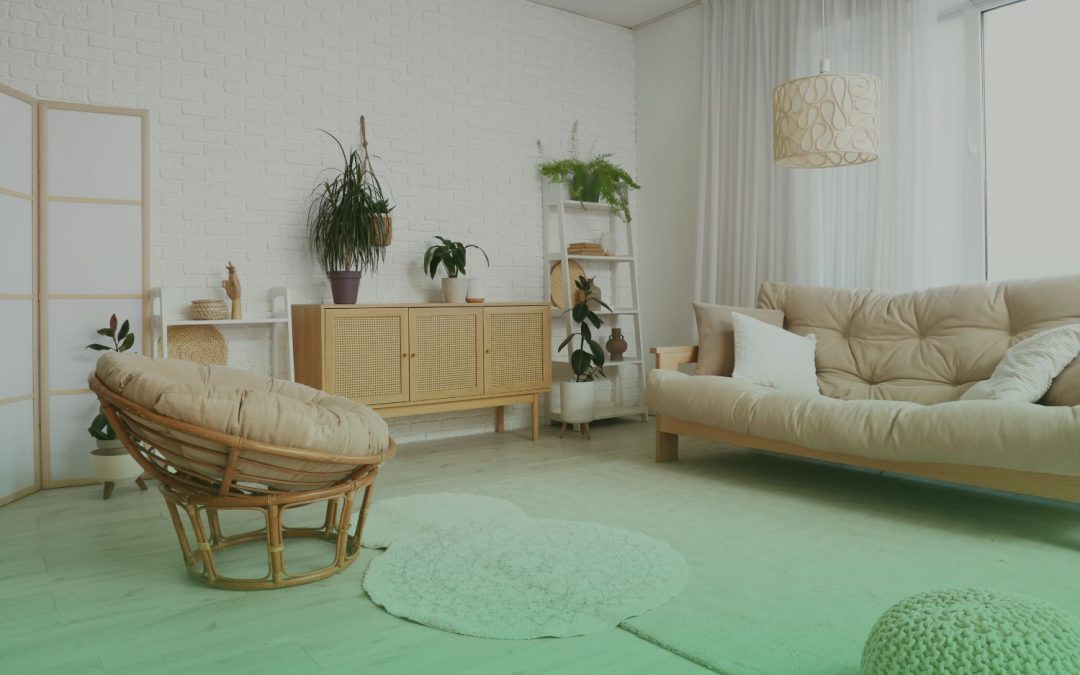
Formaldehyde and other VOCs enter your home mainly through everyday products and building materials that slowly release gases into the air. This is called off-gassing. Pressed-wood furniture, new flooring, paint, cleaners, and even some fabrics all give off these compounds, and formaldehyde is the most common one.
In Central Florida, heat and humidity make off-gassing worse, so indoor air can hold more of these chemicals than you would expect. Here is what formaldehyde and VOCs are, where they come from, whether they are dangerous, and how testing tells you what is actually in your air.
Understanding VOCs and Formaldehyde
VOC stands for volatile organic compound. These are chemicals that easily become a gas at room temperature and drift into the air you breathe.
Formaldehyde is the best-known VOC, and one of the most common in homes. It is a colorless gas with a sharp smell, and it shows up at low levels in almost every indoor space. Other everyday VOCs include benzene, toluene, and xylene.
The important thing to understand is that VOCs are normal in small amounts. The concern is when levels build up indoors, which is exactly what happens in a tightly sealed, air-conditioned Florida home.
How Do VOCs Like Formaldehyde Enter Your Home?
Most VOCs enter your home through off-gassing. Materials and products release the gas slowly over time, especially when they are new.
Think of that “new furniture” or “new car” smell. That smell is off-gassing in action. A newly built home, a fresh coat of paint, or a just-installed floor can all raise VOC levels for weeks or months.
Three things make off-gassing worse:
- Newness: Products release the most when they are new, then taper off over time.
- Heat: Warmer air pulls more gas out of materials.
- Humidity: Moist air increases how much formaldehyde a material gives off.
That combination is why indoor air quality is such a real concern in Central Florida.
Common Sources of Formaldehyde in the Home
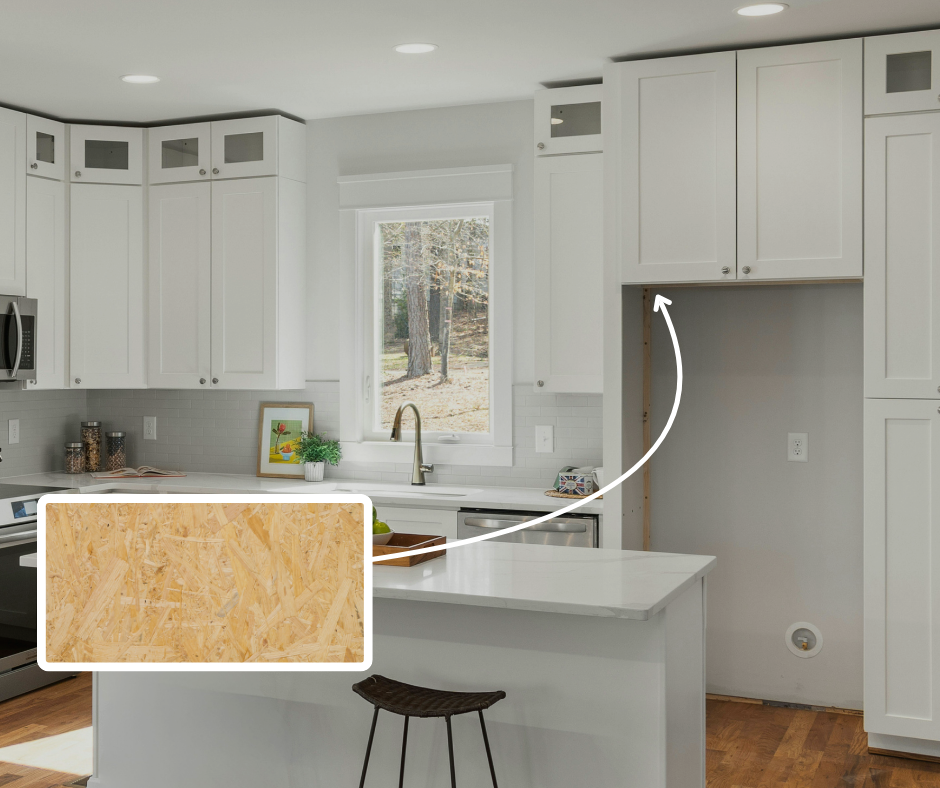
Formaldehyde hides in a lot of ordinary items. The biggest source is pressed-wood products made with formaldehyde-based glues.
The most common culprits:
| Source | Where you find it |
|---|---|
| Pressed-wood furniture | Particleboard, MDF, and plywood cabinets, shelves, and desks |
| Flooring | Some laminate and engineered wood floors |
| Building materials | New construction, insulation, and adhesives |
| Fabrics | Permanent-press curtains, bedding, and clothing |
| Paints and finishes | Certain paints, lacquers, and glues |
| Combustion | Gas stoves and tobacco smoke |
New cabinetry and furniture made from particleboard or MDF are often the strongest sources, because the glue that holds them together releases formaldehyde as it ages. A newly remodeled kitchen full of pressed-wood cabinets can raise indoor levels for months.
Emissions are highest when a product is new and fade as it cures. That is why a brand-new floor or a freshly furnished room tends to have the sharpest smell and the highest readings, and why timing a test after a big purchase or renovation often makes the most sense.
Other Common VOCs and Where They Come From
Formaldehyde is not the only VOC worth knowing. Several others are common in homes, and most come from ordinary products.
| VOC | Common household source |
|---|---|
| Benzene | Tobacco smoke, stored fuel, car exhaust in attached garages |
| Toluene | Paints, paint thinners, and adhesives |
| Xylene | Varnishes, paints, and markers |
| Acetone | Nail polish remover, cleaners, and some furniture polish |
| Limonene | Air fresheners and scented cleaning products |
Cleaning supplies, aerosols, and freshly painted rooms can all add to the mix. So can hobbies like painting, crafting, or working with solvents in an attached garage.
The more of these products you store and use in a closed-up home, the higher the levels can climb, and unlike formaldehyde, many of these VOCs come and go with how you use the products day to day.
Why Florida Homes Are More at Risk
Central Florida creates close to ideal conditions for VOC buildup. The year-round heat and high humidity both speed up off-gassing, so the same furniture or flooring releases more here than it would in a cooler, drier climate.
On top of that, Florida homes run the air conditioning almost constantly and stay sealed up tight. That keeps the heat out, but it also traps VOCs inside instead of letting them vent. New construction, which is common across the Orlando area, adds even more fresh materials that are still actively off-gassing.
Are Formaldehyde and VOCs Dangerous?
This deserves a clear and honest answer. At the low levels found in most homes, formaldehyde and VOCs usually cause irritation, not serious harm.
Common short-term effects include:
- Watery or irritated eyes.
- A scratchy nose or throat.
- Coughing or a headache.
- Worsened asthma or allergy symptoms.
Formaldehyde is classified as a known human carcinogen, but that risk is tied to prolonged, high-level exposure, the kind seen in some workplaces, not the trace levels in a typical home.
Some people feel it more than others. Children, older adults, and anyone with asthma or allergies tend to react to lower levels, and pregnant women are often advised to limit exposure to fresh off-gassing. The same room can bother one person and go unnoticed by another.
The takeaway is balanced: you do not need to panic, but if levels are elevated or someone in the home is sensitive, it is worth knowing your actual numbers rather than guessing.
How Do You Test for Formaldehyde and VOCs?
You cannot see most VOCs, and you cannot judge the level by smell alone. That is why testing matters when you are concerned.
Professional testing uses air sampling. A device collects a sample of your indoor air over a set period, and an accredited lab measures which compounds are present and at what levels. Formaldehyde and VOCs are often tested together as part of an indoor air quality panel.
A good report does more than list chemicals. It compares your indoor levels against typical benchmarks, points to the likely sources, and tells you whether the numbers call for action or peace of mind. Lab results usually come back within a few days, so you are not left wondering for long.
DIY meters and mail-in kits exist and are inexpensive, but they are less reliable and less specific than lab-analyzed sampling. They rarely identify individual compounds or compare against a real baseline.
For a result you can actually act on, professional VOC and indoor air quality testing is the accurate option. Elite Mold Services provides both, with plain-English reports and no pressure to buy a treatment system.
Simple Ways to Reduce VOCs at Home
You can lower your exposure with a few practical habits, no testing required:
- Ventilate: Open windows and run exhaust fans, especially after painting or bringing in new furniture.
- Let new items breathe: Air out new furniture, flooring, or mattresses before heavy use when you can.
- Control humidity: Keeping indoor humidity in check slows off-gassing, which matters a lot in Florida.
- Choose low-VOC products: Look for low-VOC or no-VOC paints, finishes, and cleaners.
- Store chemicals elsewhere: Keep paints, fuels, and solvents in a garage or shed, not inside living spaces.
Related Questions to Explore
What are the symptoms of formaldehyde exposure?
The most common symptoms are irritated eyes, nose, and throat, along with coughing, headaches, and worsened asthma or allergies. Symptoms that ease when you leave the house can point to an indoor air issue.
How do you test for formaldehyde in a house?
A professional collects an air sample over a set time and sends it to an accredited lab, which measures the formaldehyde level. It is often tested alongside other VOCs as part of an indoor air quality assessment.
Does formaldehyde off-gassing get worse in heat and humidity?
Yes. Both higher temperature and higher humidity increase how much formaldehyde a material releases, which is one reason indoor air testing is so relevant in Central Florida.
How long does new furniture off-gas?
It varies, but most products release the most when new and taper off over weeks to months. Ventilation and airing items out can help speed that along.
Can you smell formaldehyde in your home?
Sometimes, at higher levels, it has a sharp odor, but you cannot rely on smell. Many VOCs are odorless or fade to a scent you stop noticing, which is why testing is the only way to know for sure.
When to Call a Professional
Testing is worth it when the answer actually matters. Good reasons to test include a new build or major renovation, new furniture or flooring in a closed-up home, ongoing irritation or allergy symptoms with no clear cause, or simply wanting to know what is in the air before a sensitive family member moves in.
A licensed assessor brings calibrated sampling equipment, an accredited lab, and the training to explain what your results mean. In Florida, that same professional is licensed to assess and test, so the findings stay objective and are never a setup to sell you a product.
Conclusion
Formaldehyde and other VOCs get into your home through everyday materials and products that off-gas into the air, and Florida’s heat and humidity only speed that up. Most of the time, the levels cause irritation rather than serious harm, but you cannot see or smell your way to a real answer. Testing is what turns a worry into a clear number you can act on.
If you want to know what is actually in your Central Florida home’s air, the licensed team at Elite Mold Services can help.
Schedule VOC and indoor air quality testing with Elite Mold Services to get clear, lab-backed answers.