


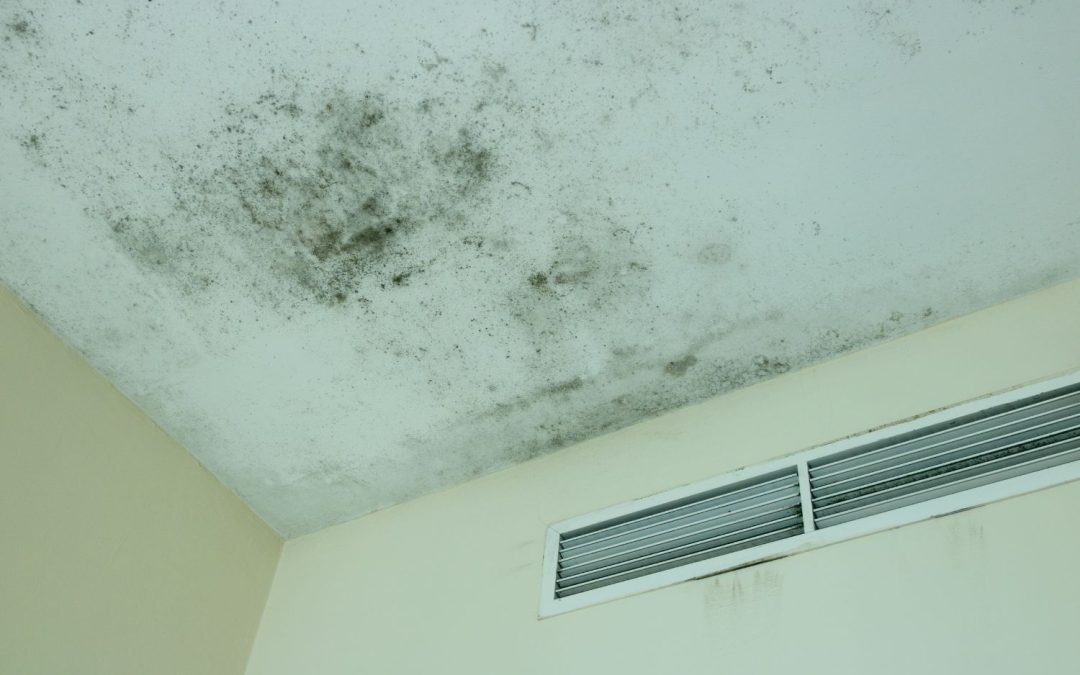
This guide explains what black mold will commonly look like, where it grows inside homes, why it is so common in Florida, and when professional mold inspection and testing are the right next step.
Dark spots on a wall or ceiling can stop a homeowner in their tracks. You may immediately wonder if it is mold, whether it is dangerous, and what to do next. One of the most common questions homeowners ask is what black mold looks like and where it can grow inside a house.
In Central Florida, this concern is especially common. High humidity, frequent rain, and long cooling seasons create conditions where mold can grow year-round. Mold does not only appear after hurricanes or major flooding. It often starts quietly after small leaks, condensation, or moisture that stays trapped behind walls or above ceilings.
What Does Black Mold Look Like?
Black mold does not always look or grow the way people expect. Many homeowners picture thick, jet black patches, but real mold growth is often more subtle.
In homes, black mold commonly appears as:
- Dark green or black spots or stains
- Small speckles that spread over time
- Uneven patches with irregular edges
- Fuzzy, powdery, or slimy textures, depending on moisture
Mold may grow flat against a surface or appear slightly raised. In damp conditions, it may look shiny or slick. When dry, it may appear dusty.
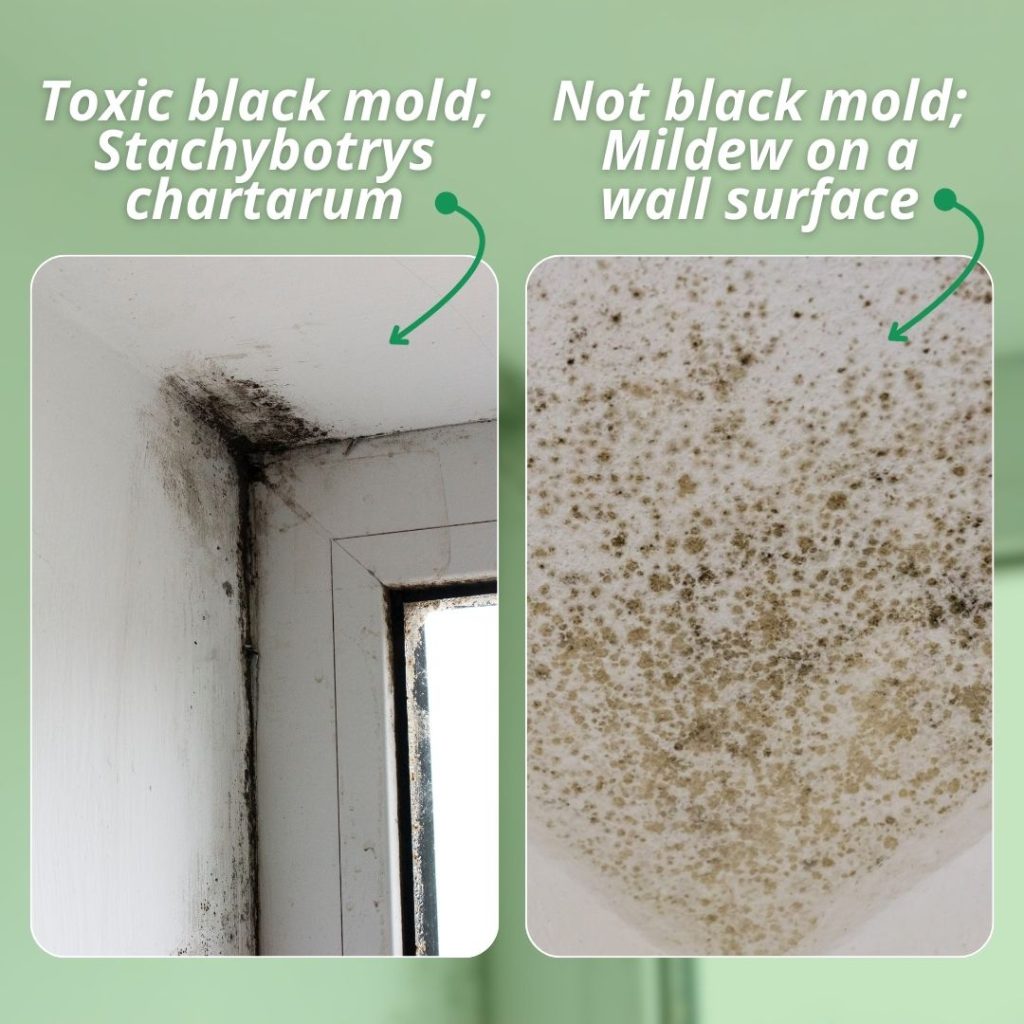
It is also important to understand that color alone does not identify mold type. Many molds appear dark, and some harmful molds are not black at all. Visual appearance cannot confirm whether the mold is toxic or dangerous. Only professional testing can do that.
Mold vs Staining or Dirt
Not every dark mark in a home is mold. Soot from candles, dirt buildup, water staining, and even mildew can look similar at first glance.
A few differences homeowners often notice:
- Mold usually spreads in irregular patterns
- Mold may grow outward from moisture sources
- Stains typically do not grow or change shape
- Mold often comes with a musty odor
Because false positives are common, professional inspection helps confirm whether what you see is active mold growth or something else.
Why Mold Grows So Easily in Florida Homes
Mold needs three things to grow: moisture, organic material, and time. Florida homes often provide all three.
According to the EPA, mold can begin growing within 24 to 48 hours when moisture is present and conditions are right. High indoor humidity, leaks, or condensation can quickly trigger growth.
In Florida, common contributors include:
- Indoor humidity above 60 percent
- Air conditioning systems that run most of the year
- Heavy rain and wind-driven moisture
- Slow drying after leaks or storms
Even well-maintained homes can develop mold if moisture is not controlled properly.
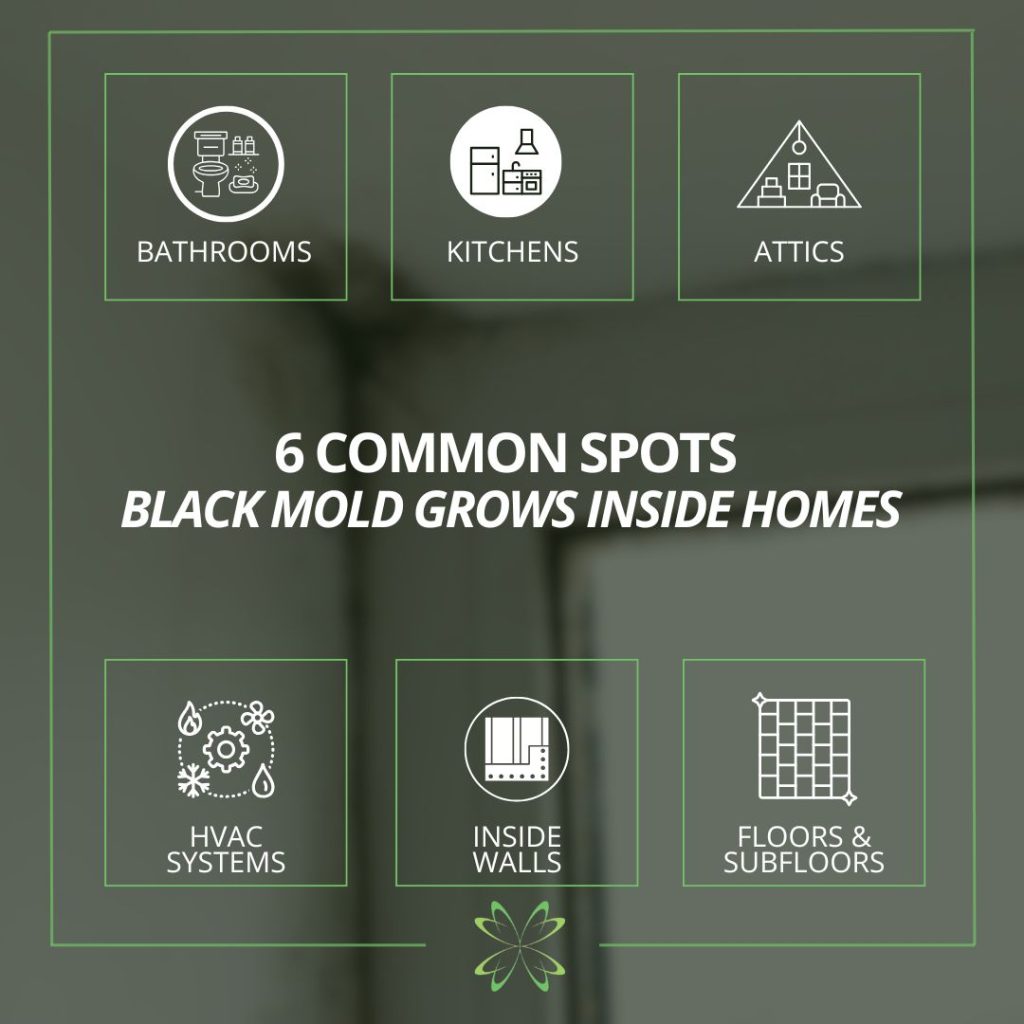
Common Places Black Mold Grows Inside Homes
Black mold can grow almost anywhere moisture collects. Some areas are more vulnerable than others.
Bathrooms
Bathrooms often experience daily moisture from showers and baths. Poor ventilation allows humidity to linger, leading to mold on ceilings, grout, behind toilets, and under sinks.
Kitchens
Leaks under sinks, around dishwashers, or behind refrigerators can go unnoticed for weeks. Mold may grow inside cabinets or behind walls before any visible signs appear.
Attics
Attics are a frequent source of mold in Florida homes. Roof leaks, poor ventilation, and temperature differences can create condensation on the roof decking and framing. Mold growth in attics is often hidden until an inspection is performed.
HVAC Systems
Air conditioning systems remove moisture from indoor air. If drain lines clog or components stay damp, mold can grow inside air handlers, ductwork, and vents. This allows spores to circulate throughout the home.
Wall Cavities and Flooring
Plumbing leaks, window leaks, or slab moisture can lead to mold growth behind drywall or under flooring. These areas often go unnoticed until odors or health symptoms appear.
How Common Is Mold in Homes?
Mold spores are present everywhere, both indoors and outdoors. Mold only becomes a problem when moisture allows it to grow.
Indoor mold issues are more common in regions with high humidity and frequent rainfall. In Florida, indoor moisture control is one of the biggest challenges homeowners face, which explains why mold inspections are common even in newer homes.
Health Effects Linked to Mold Exposure
Health reactions to mold vary by person. Some people experience no symptoms, while others may have noticeable reactions.
The EPA notes that mold exposure can cause allergic reactions such as:
- Sneezing and nasal congestion
- Eye irritation
- Skin irritation
The CDC reports that people with asthma or mold allergies may experience worsened asthma symptoms when exposed to mold. Damp indoor environments have also been linked to respiratory symptoms in otherwise healthy individuals.
Those at higher risk include:
- Children
- Older adults
- People with asthma or allergies
- Individuals with weakened immune systems
Because symptoms often resemble seasonal allergies, mold exposure may go unrecognized without testing.
Is Black Mold Always Toxic?
Not all black-colored mold is toxic, and not all toxic molds are black.
One species often discussed is Stachybotrys chartarum. While it can produce toxins under certain conditions, it does not always do so. Its presence still indicates a serious moisture problem that needs to be addressed.
Health and environmental authorities emphasize that any mold growth indoors should be corrected, regardless of species, because it signals excess moisture.
Why Visual Checks and DIY Tests Fall Short
Homeowners often attempt to assess mold problems on their own. While visual checks are a starting point, they rarely tell the full story.
DIY mold test kits can be misleading because:
- Mold spores are always present in indoor air
- Results lack context without professional interpretation
- Hidden mold may go undetected
The CDC advises that routine sampling is not always necessary, but when testing is performed, it should be part of a professional assessment that includes moisture evaluation and visual inspection.
What a Professional Mold Inspection Includes
A professional mold inspection goes beyond what the eye can see.
Typical steps include:
- Visual assessment of all accessible areas
- Moisture detection to locate hidden dampness
- Targeted air or surface sampling when appropriate
- Laboratory analysis to identify mold types and levels
This process helps determine whether mold growth is isolated or widespread and guides proper remediation planning.
Why Mold Problems Often Come Back
Recurring mold growth usually means that moisture issues were never fully resolved.
Common causes include:
- Undetected plumbing leaks
- Roof or window leaks
- Poor ventilation
- HVAC condensation problems
- High indoor humidity
Without correcting these issues, mold is likely to return even after cleaning.
How Elite Mold Services Supports Homeowners
Elite Mold Services provides professional mold inspection and testing throughout Central Florida. Their focus is on accurate assessment, moisture identification, and verification.
Services include:
- Comprehensive mold inspections
- Mold air and surface testing
- Moisture assessments
- Remediation supervision
- Post-remediation verification
By remaining independent from remediation contractors, Elite Mold Services delivers unbiased results and clear guidance.
Common Questions Homeowners Ask
Can mold grow behind walls without visible signs?
Yes. Mold frequently grows behind drywall or under flooring where moisture is hidden. Odors are often the first clue.
Does bleach solve mold problems?
Bleach may remove surface discoloration, but it does not eliminate mold roots in porous materials.
How quickly should mold be addressed?
Mold should be addressed as soon as it is suspected. Delays allow growth to spread and increase remediation costs.
Should buyers and sellers test for mold?
Yes. Mold testing can uncover hidden issues and provide clarity during real estate transactions.
When to Call a Mold Professional
You should contact a mold professional if:
- You see visible mold growth
- There is a persistent musty odor
- Your home has had water damage
- Occupants experience unexplained respiratory symptoms
- You want confirmation before buying or selling a home
Early inspection helps prevent long-term damage.
Conclusion
Black mold can look different from home to home, and it often grows where moisture goes unnoticed. In Central Florida, humidity and frequent rain make mold a common concern for homeowners.
Understanding what black mold looks like, where it grows, and why testing matters helps you make informed decisions. Professional mold inspection and testing provide the clarity needed to protect your home and indoor air quality.
When mold is suspected, addressing both the growth and the moisture source is the key to long-term prevention.