HomeMold ServicesMold Testing

Mold Testing

Providing the Most Thorough Mold Testing Services In the Central Florida Area.

AIHA approved lab

Certifed lab testing

Results in days

Not weeks

Plain-English report

No upselling

InterNACHI
Certified Mold Inspector

What is mold testing and how is it helpful?

At a glance
AIHA-certified lab · results in days, not weeks · visual inspection recommended.

Here at Elite Mold Services, we believe that mold testing should be a secondary measure to help evaluate a thorough visual inspection of the building. We perform a detailed moisture and mold investigation of the property and then recommend testing based on our findings. Mold testing can help provide a view of the unseen particles present in the air or identify what type of mold is present on surfaces. The most common types of mold testing are air samples, surface (swab or tape lift) samples, carpet samples and bulk samples.

During the inspection, we carefully investigate areas where moisture may be present or where hidden water damage could exist. If our findings indicate that additional information would be beneficial, we may recommend targeted mold testing to help evaluate the conditions within the property. Testing can provide valuable information about the types and concentrations of mold spores present in the indoor environment and can help determine whether airborne or surface mold may warrant further evaluation.

Mold testing can also be useful when there are no obvious visible signs of mold but there are concerns about indoor air quality, unexplained musty odors, previous water damage, or potential hidden moisture. Depending on the circumstances and our inspection findings, several sampling methods may be appropriate. The most common types of mold testing include air samples, surface samples such as swab or tape-lift samples, carpet dust samples, and bulk samples. Each method serves a different purpose, and the appropriate sampling strategy should be based on the property’s specific conditions rather than using a one-size-fits-all approach.

Our goal is to provide property owners with meaningful information rather than simply collecting samples. By combining a comprehensive visual inspection, moisture investigation, and targeted testing when appropriate, Elite Mold Services can provide a more complete assessment of the property’s indoor environmental conditions. This approach helps identify potential sources of moisture and mold while providing clients with information they can use to make informed decisions about remediation, repairs, and maintaining a healthier indoor environment.

Mold testing options:

○ Option 1

Whole House Air Sampling

Indoor air quality sampling is an inclusive type of test that will let you know what you are potentially breathing inside your property.

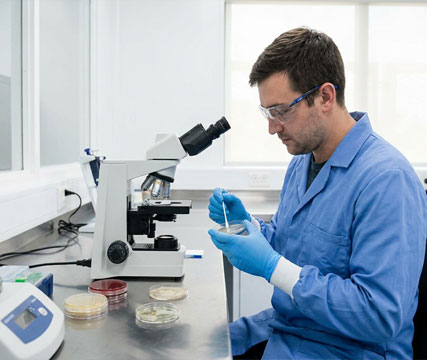
All air samples will be completed using Zefon spore trap cassettes (Air-O-Cell) to ensure the most reliable results. The Air-O-Cell is designed for the rapid collection of a wide range of airborne aerosols including mold spores, pollen, insect parts, skin cells, fibers and inorganic particulate.

Process for collection: The home’s air is drawn through the spore trap cassette using a calibrated air pump which causes all biological particles to be impacted on to the slides surface. The standard for collecting air samples is to also collect the outside ambient air so we have a control or baseline for comparison to the inside. These cassettes are then rushed to the lab for analysis. The issued lab reports will show the type of molds present and the quantity of mold in the air (counts per cubic meter).

Elite Mold Services can even perform “Behind-the-wall” air samples that will confirm if hidden mold growth exists in the cavity space behind the surface of the wall. A small hole will need to be drilled for this type of test so approval will be needed from the property owner.

○ Option 2

Swab Sampling or Lift Sampling

This is a specific type of test performed when there is visible mold growth.

We use a sterile swab or tape-lift to collect the growth off the surface and then seal it in a specialized container. This will then be forwarded to an AIHA-accredited laboratory for analysis. The report will include the mold type(s) and the relative amounts of it.

This test is useful in confirming which mold is present and its potential for producing allergens or mycotoxins. We often recommend this testing to be used in conjunction with air sampling to determine if the suspected mold growth has become airborne.

○ Option 3

Carpet Sampling

Carpet or dust sampling can be a useful tool to help get a “history” of the mold levels & types found inside a home.

If there was an active mold problem or a prior mold issue handled unprofessionally, the mold spores will settle into carpets and fabrics within the home. This is called accumulation. The carpet is then vacuumed with a special mold/dust collector nozzle which can then be analyzed for mold spore counts.
There are 3 types of analysis:

N

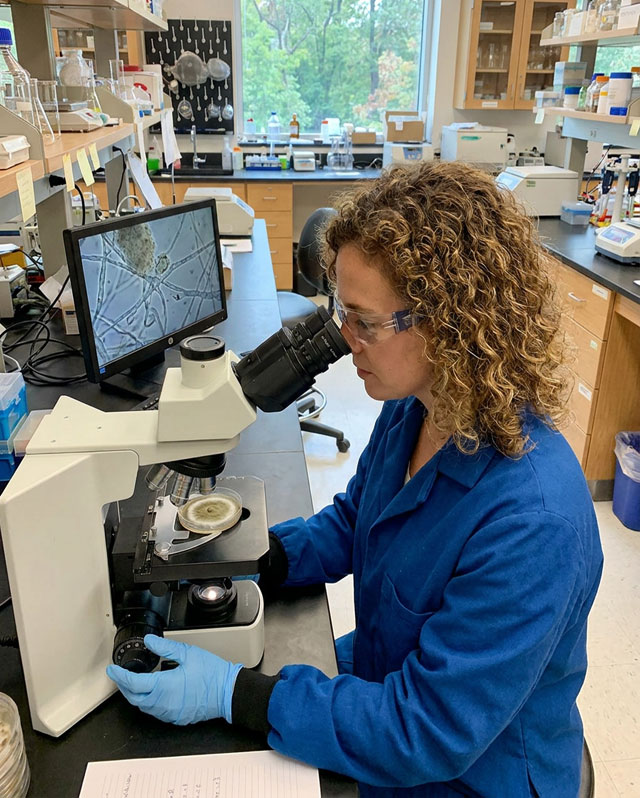
Direct ID with a microscope

Genus level only
N

Culture sample

Genus & Species of viable spores only
N

ERMI mold testing

Genus & Species level of all cells found

Elite’s mold testing process:

Unfortunately, in our industry, mold professionals rely too much on testing and do not perform a proper inspection or provide a detailed inspection report. The client is then given lab results with no proper recommendations on what needs to be done next. Here at Elite Mold Services, we operate differently. All our inspections are performed to the highest level of detail first before samples are collected. Photos and videos are taken of any problem areas, a mold assessment report is provided to the client outlining areas of visible mold, water damage and any other indoor air quality issues. Then we will make recommendations for mold sampling based on our inspection findings. The samples will be custom tailored to our clients’ needs and to help determine the extent of any mold contamination within the property.

Z

Lab Analysis

All samples collected will be delivered to an independent AIHA-approved laboratory for analysis. This third-party lab will analyze the samples and provide a certified mold report outlining the findings of the samples.
Z

Informative Action Reports

We then personally review the report and contact you to go over the details. You will then be provided a final report from us outlining the issues and the corrective actions needed to restore the home back to health.

How much does mold testing cost?

Mold testing costs can vary based on the issues present in the building and the number of samples collected. We incur laboratory fees per sample, so we charge a per sample fee to our clients. The types of tests and the quickness of the results can also affect the costs.

Questions homeowners ask before booking.

Don’t see yours? Call 407-753-6341 — a real person picks up.

What is mold testing?
Mold testing involves collecting samples from the air, surfaces, dust, carpet, or building materials and having them analyzed to determine the presence, type, or concentration of mold. Testing is typically used to supplement a thorough visual inspection and moisture investigation.
When should I consider mold testing for my Central Florida property?
Mold testing may be recommended when there are concerns about previous water damage, musty odors, visible microbial growth, unexplained indoor air quality concerns, or potential hidden moisture. It can also be useful after mold remediation to help evaluate whether conditions have improved.
Does mold testing tell me where the mold is coming from?
Not necessarily. Mold testing can provide information about the types and concentrations of mold present, but it does not identify the underlying moisture source. A professional inspection and moisture investigation are important for determining why mold may be growing.
Can mold testing find hidden mold?
Testing can provide information that may indicate the presence of airborne or surface mold, but it cannot guarantee that hidden mold will be found. If hidden mold is suspected, a moisture investigation and targeted inspection of areas such as wall cavities, ceilings, HVAC components, or other concealed spaces may be necessary.
Can mold testing determine what type of mold is present?
Yes. Laboratory analysis can identify mold or fungal structures present in collected samples, depending on the sampling method and laboratory analysis used. Identifying the types of mold present can provide additional information when evaluating a property’s indoor environmental conditions.
Why hire Elite Mold Services for my mold testing needs?
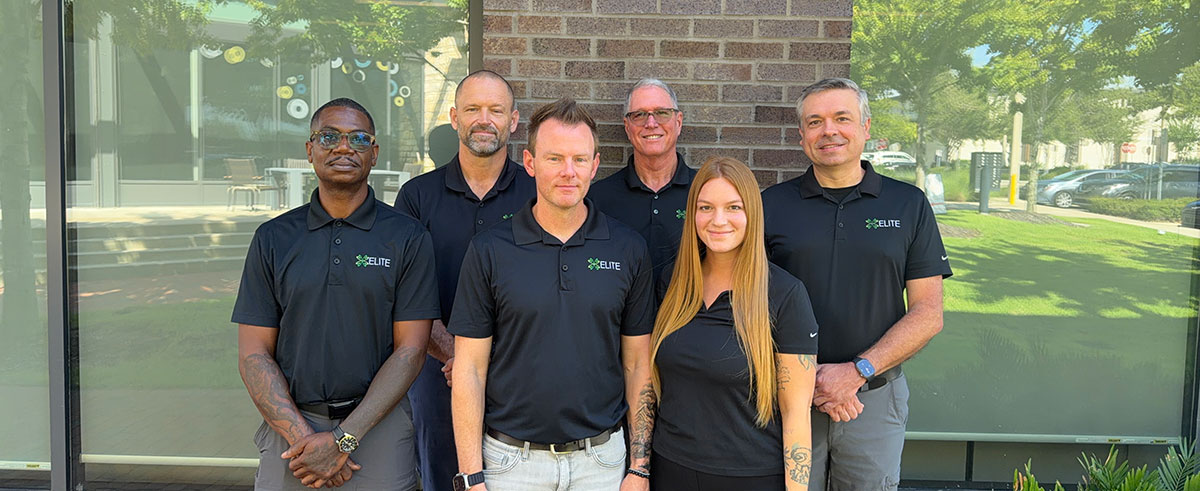
Our professional mold inspectors can do more than simply collect samples. A comprehensive evaluation considers the property’s moisture conditions, visible evidence, building materials, ventilation, humidity, and potential sources of water intrusion. Elite’s professional mold testing in Central Florida are targeted to the property’s specific conditions and used to support the overall inspection—not as a standalone substitute for a thorough property evaluation.

Serving all of Central Florida.

Orange, Seminole, Brevard, Hillsborough, Lake, Marion, Osceola, Polk, Sumter and Volusia counties — including Winter Park, Winter Garden, Apopka, Clermont, Lakeland, Maitland, Sanford, Deland, Oviedo, Lake Mary, Altamonte Springs, and Daytona Beach.

Elite Mold Service Areas