


A home mold inspection can answer several questions for you, but one is key: what is causing the moisture or odor you are noticing inside the home?
Many homeowners contact Elite Mold Services because a room smells musty, a ceiling stain keeps returning, the AC closet feels damp, or symptoms appear in certain parts of the home. We can find the source of the moisture, conduct testing and thermal imaging, supervise remediation, offer post-remediation verification, and more.
This guide explains how the inspection works, what the findings mean, and what usually comes next once your report is complete.
Why Homeowners Schedule Mold Inspections
People rarely schedule a mold inspection because they already see heavy growth. They schedule one because something does not feel right inside the home. Mold often begins in hidden areas, which means early clues matter.
Common reasons homeowners reach out include:
- A persistent musty or earthy smell
- Stains or dark spots that reappear after cleaning
- Watermarks or bubbling paint
- A history of storms or plumbing leaks
- A damp or warm AC closet
- Rooms that feel humid or stale
- Symptoms that improve when leaving home
- Buying or selling a home and needing clarity before closing
These concerns all point to moisture intrusion or air quality changes.
According to the EPA, indoor environments with ongoing moisture problems are more likely to support mold growth, and indoor air pollution can be two to five times higher than outdoor levels.
This is why a detailed, professional evaluation matters.
How Mold Problems Develop in Central Florida Homes
Most homes in this region deal with moisture at some point. Our hot climate, frequent rains, heavy afternoon storms, and long air conditioning seasons create more opportunities for moisture to enter and stay inside building materials.
Even well-maintained homes can experience condensation or hidden water damage.
Common moisture sources we see include:
- AC drainage or airflow problems
- Roof leaks during wind-driven rain
- Plumbing leaks behind cabinets or walls
- Window and door seal failures
- High indoor humidity due to restricted ventilation
- Moisture collecting in closets, bathrooms, and laundry rooms
- Past water damage that was not fully dried
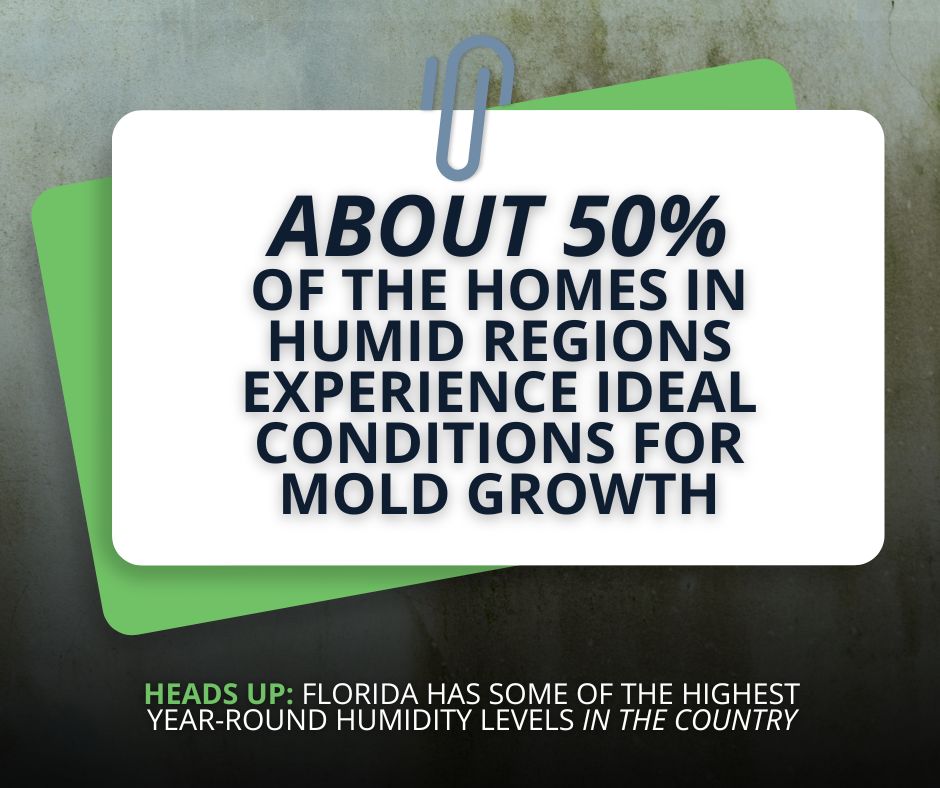
Research from the National Center for Healthy Housing shows that about 50 percent of homes in humid regions experience conditions that allow mold to develop. In Central Florida, that number can be even higher.
A mold inspection is designed to identify these conditions before they cause bigger problems.
What Happens During a Mold Inspection?
Our inspection process is designed to give you a clear understanding of the moisture source, how far it has spread, and how it affects your indoor air. Below is what you can expect from a typical visit.
1. Walkthrough and Discussion
We begin with a walkthrough of the home and a conversation about the concerns that led you to schedule the inspection. This helps us understand what has changed in the home, how long it has been happening, and where moisture may be entering.
Common areas we inspect during this stage include:
- AC closets and return areas
- Bathrooms and shower walls
- Kitchens and under-sink spaces
- Laundry rooms
- Windows and sliding doors
- Attic and garage access points
- Basements or crawl spaces, when applicable
- Areas where leaks occurred during storms
Even small details you notice can help us narrow down the primary moisture source.
2. Moisture and Humidity Testing
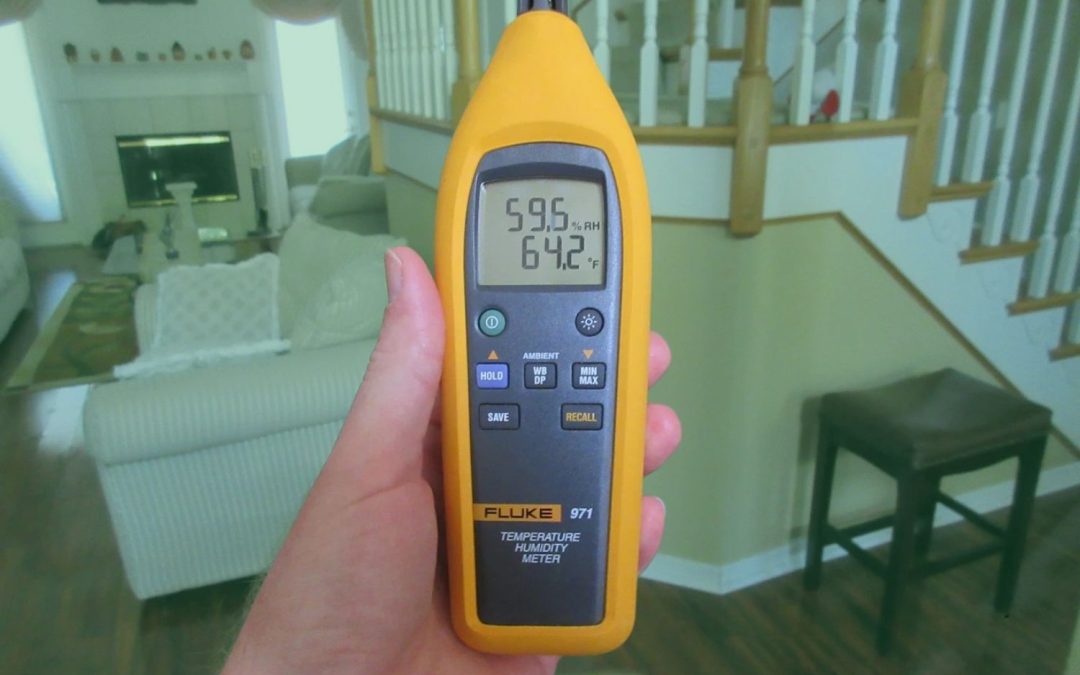
Moisture meters and hygrometers help us measure how much water is inside your building materials and how much moisture is in the air. These readings show whether the problem is active, old, or spreading.
Materials we often test include:
- Drywall
- Baseboards
- Flooring and carpet edges
- Cabinet boxes
- Ceiling surfaces
- Windowsills
ASHRAE and EPA guidelines recommend indoor humidity stay between 30 and 50 percent to reduce the risk of mold growth. Many homes in Central Florida exceed this range when AC systems struggle, which is why moisture and humidity mapping is an important part of the inspection.
3. Thermal Imaging for Hidden Moisture
Thermal imaging helps us detect temperature changes caused by moisture behind walls, ceilings, or floors. Cooler areas often indicate active moisture or materials that are drying slowly.
Thermal imaging is especially useful for evaluating:
- Shower and tub walls
- Ceilings below bathrooms
- Roof penetrations
- AC line-set condensation
- Windows with poor seals
- Attic areas after heavy rain
This helps confirm whether moisture is isolated or spreading to other parts of the home.
4. Mold Sampling When Needed
Sampling gives us lab data when visual inspection alone is not enough or when you need documentation for a landlord, builder, insurer, or remediation company.
Air sampling shows:
- Whether indoor mold levels are elevated
- Which mold types are present
- Whether hidden growth may be affecting air quality
Surface sampling helps confirm:
- Whether a stain is mold
- What type of mold is present
- Whether a material needs further evaluation
Sampling is recommended when:
- Odors are present with no visible mold
- Symptoms appear in certain rooms
- Moisture readings suggest hidden leaks
- Remediation is planned or has been recently completed
All samples are analyzed by accredited labs, and results are included in your report.
5. Indoor Air Quality and VOC Testing
Many homes experience air quality concerns along with mold. We provide additional testing when needed, including:
- VOC testing
- Odor source investigation
- Allergen testing
- Particle evaluation
- CIRS-related environmental screening
Indoor air quality matters because pollutants can accumulate quickly in closed spaces. Indoor air can contain significantly higher levels of contaminants compared to outdoor air, reinforcing the need for evaluations like this.
Mold Sampling vs Full IAQ Testing
| Test Type | What It Checks | When It’s Useful | What You Learn |
|---|---|---|---|
| Mold Sampling | Musty odors, stains, and suspected hidden mold | If mold is present, and whether levels are elevated | If mold is present and whether levels are elevated |
| Full IAQ Testing | VOCs, odors, allergens, particles | Symptoms with no visible mold, chemical smells, stale air | What else is affecting air quality beyond mold |
6. Documentation and Photos
We document all findings with photos, moisture readings, thermal images, and notes. Clear documentation helps you understand what was found and supports any repairs or remediation work.
Your report may include:
- Photos of affected areas
- Thermal images
- Moisture readings
- Notes on building conditions
- Areas that need drying or repair
- Evidence supporting the moisture source
What Happens After the Mold Inspection?
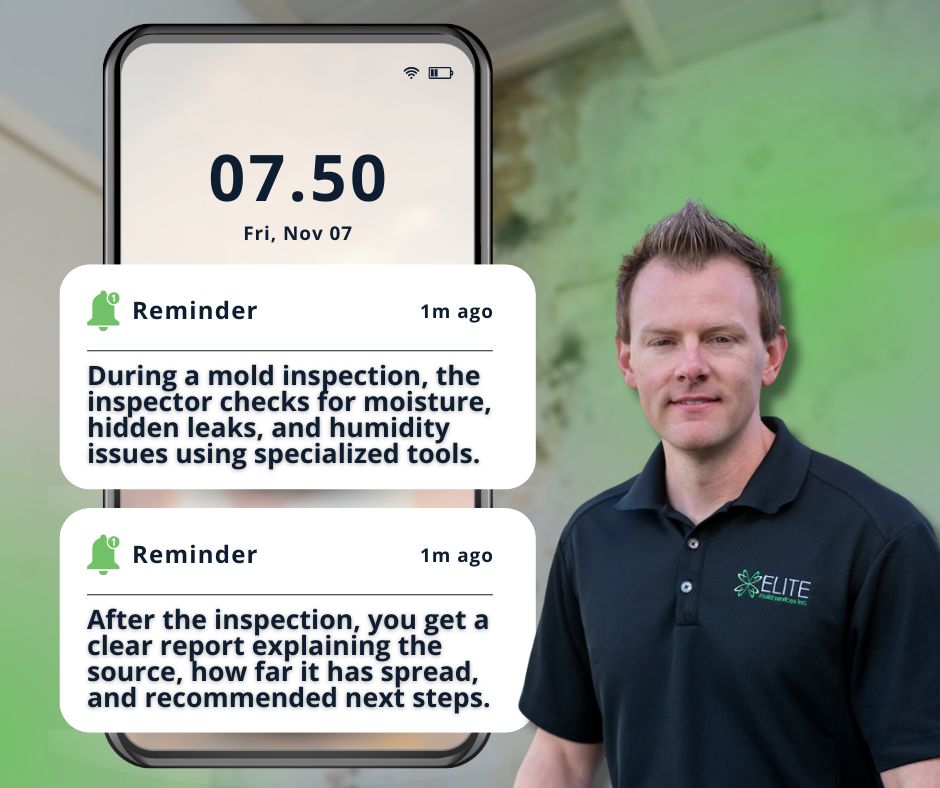
After the inspection and lab work are complete, you receive a written report that organizes the findings into clear, easy-to-understand sections. This is one of the most useful parts of the process.
Your report includes:
- A summary of findings
- Photos and documentation
- Lab results if testing was performed
- Notes on the likely moisture source
- Building conditions that contributed to the issue
- Recommendations for next steps
Understanding Your Lab Results
Lab results identify mold spore types and whether they are present at normal or elevated levels. We compare your indoor results to typical outdoor baseline levels and highlight any areas where hidden mold may be present.
Your report will note:
- Whether levels are within normal range
- Which spores appear at higher concentrations
- Rooms or materials that need additional attention
- How findings relate to moisture activity in the home
What Next?
Depending on the results, your next steps may include:
- Improving ventilation
- Repairing leaks or seals
- Correcting HVAC or drainage issues
- Replacing damaged materials
- Running a dehumidifier in certain spaces
- Hiring a remediation contractor if needed
Since we do not perform remediation, our recommendations stay objective. If remediation is necessary, we offer remediation supervision and post-remediation verification to confirm the work was completed correctly before you rebuild or return to the space.
Related Questions
Why does my home smell musty even when I cannot see mold?
Moisture behind walls, flooring, or insulation can produce odors long before mold becomes visible.
Can high humidity alone cause mold?
Yes. Indoor humidity above 60 percent increases the risk of mold growth even without major leaks.
Is it helpful to test VOCs or allergens along with mold?
If symptoms continue but mold levels look normal, VOC or IAQ testing can help identify other sources.
Do I need post-remediation verification?
Yes. It confirms the cleanup was done correctly before the area is rebuilt or reoccupied.
When to Schedule a Mold Inspection
You should schedule an inspection when:
- A room smells musty
- Water damage occurred
- Staining keeps returning
- The AC closet feels damp
- Symptoms appear in specific rooms
- You are buying or selling a home
- You need verification after remediation
Conclusion
A mold inspection gives you a detailed understanding of what is happening inside the home and what needs to be addressed to protect your indoor air. With moisture testing, thermal imaging, lab analysis, and clear reporting, our team gives you the information you need to make confident decisions.
Whether you need documentation for repairs, guidance before remediation, or confirmation that cleanup was completed correctly, our process helps you move forward with clarity.