
InterNACHI
Certified IAQ Inspector
Is the air in your home safe to breathe?
The importance of Indoor Air Quality in your Central Florida home.
Some pollutants, such as carbon monoxide (CO), are a result of improperly-burned or vented fuels from your heating system. CO is a harmful gas that has no color, smell, or taste, but CO detectors are a simple and reliable way to alert you to CO problems, as is regular maintenance of your heating system. An energy audit can also identify problems with poorly operating space and water heating equipment.
Other chemical pollutants that you might be living with can cause irritated eyes, noses and throats, and can make asthma symptoms worse for some people. Pet dander, mold, and other biological pollutants can also contribute to allergic reactions and respiratory problems like asthma.
Is your home’s air really healthy?
What do you know about your house’s air pollution levels of:
Carbon monoxide
VOCs
Pet dander
Mold
Viruses, germs, and bacteria
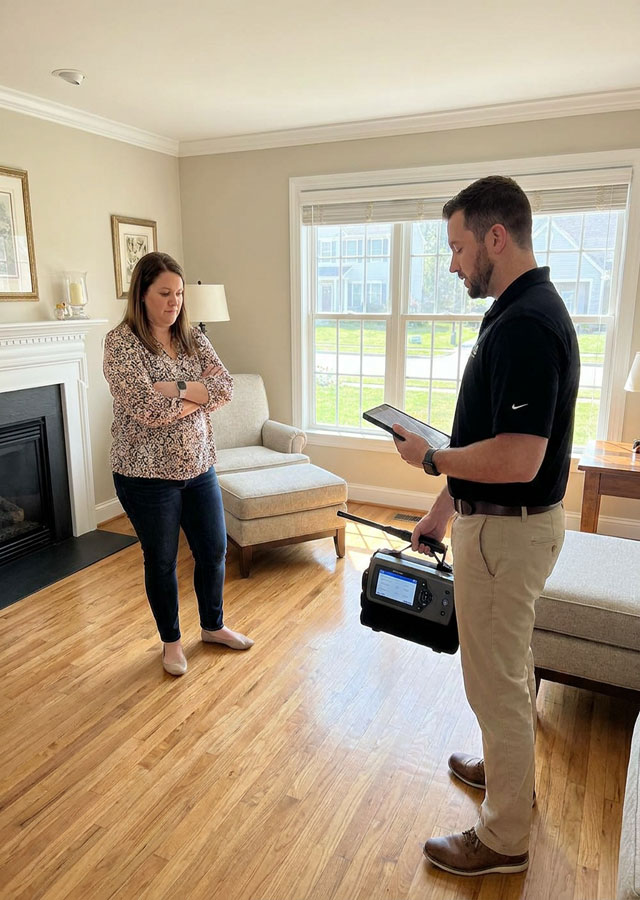
YOUR IAQ EXPERTS
The importance of Indoor Air Quality in your Florida home.
Some pollutants, such as carbon monoxide (CO), are a result of improperly-burned or vented fuels from your heating system. CO is a harmful gas that has no color, smell, or taste, but CO detectors are a simple and reliable way to alert you to CO problems, as is regular maintenance of your heating system. An energy audit can also identify problems with poorly operating space and water heating equipment.
Other chemical pollutants that you might be living with can cause irritated eyes, noses and throats, and can make asthma symptoms worse for some people. Pet dander, mold, and other biological pollutants can also contribute to allergic reactions and respiratory problems like asthma.
Comprehensive Bacteria Testing Services:
UV light air sterilization systems
which connect to your central ductwork have been shown to dramatically reduce the amount of viruses, bacteria, and other toxic contaminants in your home.
Air purifiers and top MERV-rated air filters
prevent allergens and pollutants from recirculating through your central air system.
Dehumidifiers and humidifiers
help keep humidity at safe levels in your home and avoid moisture buildup and mold growth.
Smart thermostat and other HVAC controls
give you unprecedented control over the different systems in your home, including IAQ equipment.
Keeping your home healthy
5 steps to improve your home’s indoor air quality.

Enhance Your Ventilation

Reduce Humidity Levels

Clean Often

Install CO Alarms

Replace Your Filters
FAQ
Questions homeowners ask before booking.
Don’t see yours? Call 407-753-6341
What is indoor air quality testing?
Why should I have my indoor air quality tested in Central Florida?
What types of contaminants can indoor air quality testing detect?
Depending on the scope of the inspection, indoor air quality testing may evaluate for:
- Mold spores and other biological contaminants
- Dust and particulate matter (PM2.5 and PM10)
- Common household allergens
- Volatile organic compounds (VOCs)
- Carbon monoxide and carbon dioxide levels
- Excess humidity and moisture conditions
- Combustion byproducts
- Other airborne pollutants that may impact indoor comfort and air quality
When should I schedule an indoor air quality test?
Indoor air quality testing is recommended when occupants experience unexplained allergies, respiratory irritation, unusual odors, excessive dust, or discomfort while inside a building. Testing is also beneficial after water damage, mold remediation, renovations, fire damage, HVAC upgrades, or when purchasing a new home or commercial property in Central Florida.
Can poor indoor air quality affect my health?
Poor indoor air quality may contribute to symptoms such as coughing, sneezing, congestion, headaches, fatigue, throat irritation, and worsening allergy or asthma symptoms. Testing helps identify environmental factors that may be affecting occupants and provides information needed to address possible sources of contamination.
Is indoor air quality testing the same as mold testing?
No. Mold testing is one component of indoor air quality testing but does not evaluate every factor that can impact the indoor environment. A comprehensive indoor air quality assessment may include mold sampling along with testing for airborne particles, allergens, VOCs, humidity, ventilation, and other contaminants.
How does Florida’s humidity impact indoor air quality?
High humidity levels common throughout Central Florida can contribute to moisture-related concerns, encourage mold growth, increase dust mite activity, and reduce the effectiveness of HVAC systems. Monitoring humidity and identifying moisture sources are important steps in maintaining healthier indoor environments.
Why choose Elite Mold Services for indoor air quality testing in Central Florida?
Elite Mold Services IAQ professionals use specialized equipment, proper sampling methods, and industry knowledge to accurately evaluate environmental conditions inside a property. For homeowners, businesses, and property managers throughout Orlando and Central Florida, Elite’s professional testing provides reliable information needed to identify concerns, improve indoor air quality, and create a healthier living or working environment.
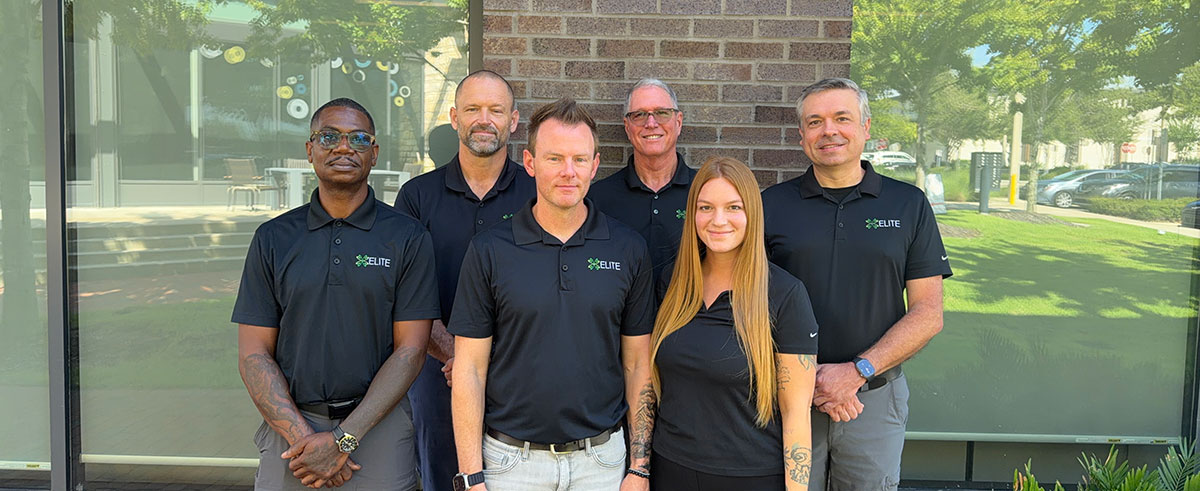
Proudly serving all of Central Florida.
Cities
Testimonials
What Our Clients Say